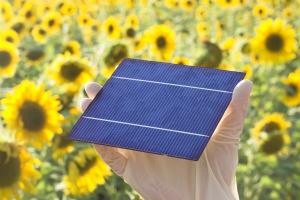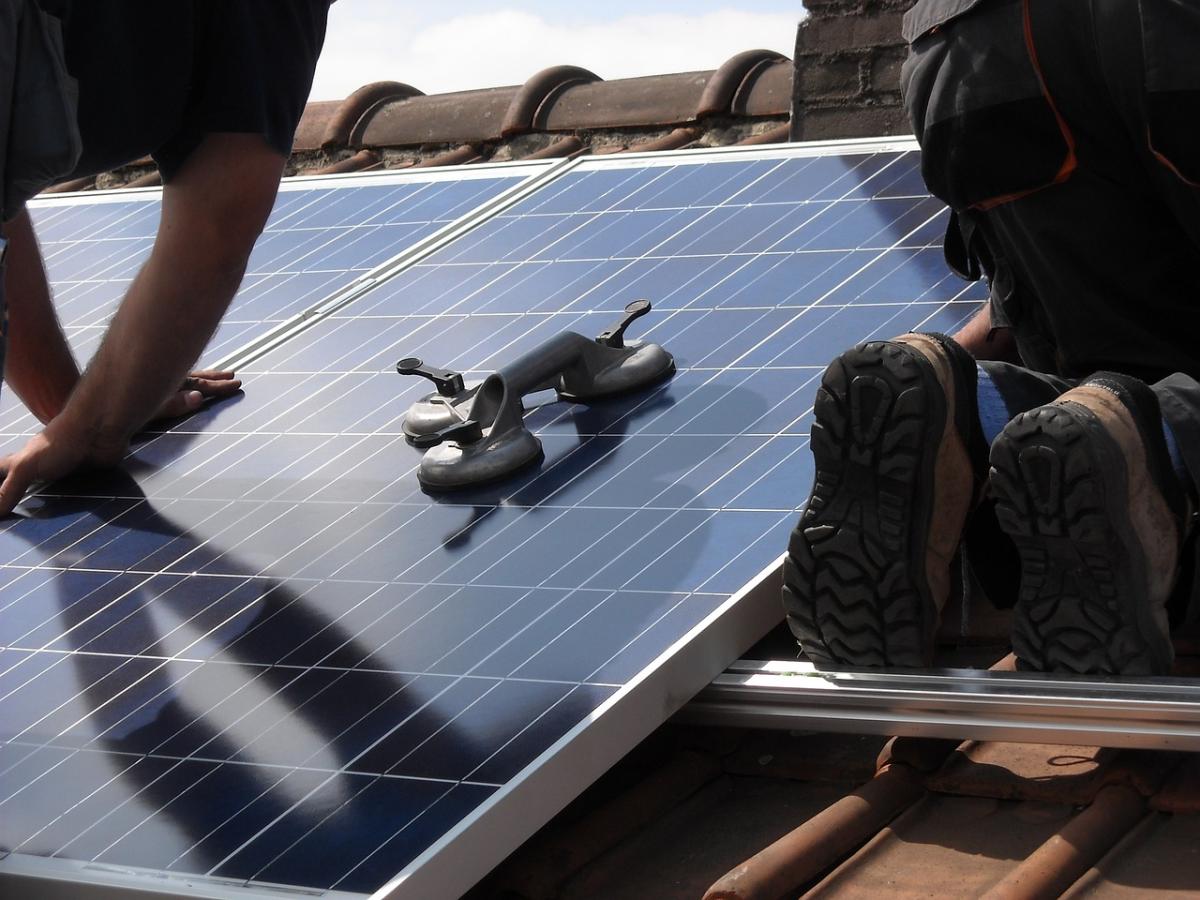
Solar panels have gained popularity in recent years, and for good reason. One of the main solar panel benefits is the ability to harness sunlight, a renewable and abundant energy source. Unlike fossil fuels, which can deplete over time, solar energy is sustainable and helps reduce our carbon footprint. By switching to solar power, homeowners and businesses can contribute to a cleaner environment while enjoying long-term savings on energy costs.
Another significant advantage of solar panels is their ability to lower electricity bills. When a solar panel system generates more energy than needed, it can feed that excess energy back into the grid. Many utility companies offer credits for this excess energy, further decreasing future energy costs. As energy prices continue to rise, the savings from solar panel benefits can be substantial, making it a smart financial investment for many.
In addition to financial savings, solar panels also add value to properties. Homes equipped with solar energy systems often see an increase in resale value. Prospective buyers are drawn to properties that offer energy efficiency and cost savings, making solar panels an attractive feature. This added value is another one of the compelling solar panel benefits that homeowners can enjoy over time.
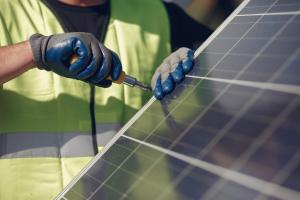
Lastly, solar energy systems require relatively low maintenance. Once installed, solar panels can last for decades with minimal upkeep. Most manufacturers offer warranties of 20 to 25 years, and regular inspections ensure that systems operate efficiently. This reliability, combined with the various financial and environmental advantages, makes solar panels an excellent choice for anyone looking to invest in a sustainable future.
Environmental Impact of Solar Energy
Moreover, solar energy generation has a much lower water footprint compared to conventional energy production. For instance, coal and natural gas plants require vast amounts of water for cooling and processing, which can stress local water resources. In contrast, solar panels generate electricity without consuming water, making them an ideal choice in arid regions where water is scarce. This not only preserves vital water resources but also minimizes the negative impact on aquatic ecosystems.
Another advantage of solar panels is their ability to promote energy independence. By utilizing the sun’s energy, communities can reduce their reliance on imported fuels, which can fluctuate in price and availability. This shift can lead to greater energy security and stability, allowing local economies to thrive while reducing the need for environmentally damaging extraction methods associated with fossil fuels. These solar panel benefits create a more resilient energy system, ultimately leading to a healthier planet.
Additionally, the installation of solar panels can often lead to more green spaces and efficient land use. Rooftop solar arrays can be placed on homes and businesses, minimizing the need for land-clearing that comes with traditional energy infrastructure. This strategic use of space helps protect habitats and biodiversity, ensuring that natural landscapes remain intact. By choosing solar energy, we’re not just investing in our future but also safeguarding the environment for generations to come.
Financial Savings with Solar Power
Switching to solar power is not just an eco-friendly choice; it also leads to significant financial savings. One of the primary solar panel benefits is the reduction in monthly electricity bills. By generating your own electricity, you can lower or even eliminate your dependence on traditional energy sources. Over time, these savings can add up, allowing homeowners to allocate funds to other essential areas of their budget.
In many places, government incentives and rebates further enhance the financial advantages of solar power. Many states offer tax credits or rebates for homeowners who invest in solar panels, effectively lowering the overall cost of installation. This makes adopting solar energy more accessible and financially viable for a larger number of households. With these incentives, the investment in solar technology becomes less daunting and much more appealing.
Moreover, solar panel systems can increase the value of your home. Potential buyers often see homes equipped with solar energy systems as more attractive due to the reduced utility costs. This can yield a higher resale value, making it a smart long-term investment. Thus, the solar panel benefits extend far beyond immediate savings, contributing to a more valuable and sustainable property in the long run.
Finally, generating your own power protects you from rising electricity rates. As utility costs continue to rise, having a solar panel system can provide stability and predictability in your energy expenses. This financial security is especially valuable in today’s fluctuating market, showcasing yet another reason why transitioning to solar power is a wise choice for homeowners seeking to maximize their savings.
Future Trends in Solar Technology
The future of solar technology is brimming with innovation and potential, paving the way for numerous solar panel benefits that can transform how we harness energy. One exciting trend is the advancement of solar panel efficiency. Researchers are consistently working on improving the materials used in solar cells, with new technologies like perovskite cells showing great promise. These cutting-edge materials could potentially lead to solar panels that convert sunlight into energy more effectively than traditional silicon-based panels.
Another significant trend is the integration of solar power with energy storage solutions. As battery technology evolves, homeowners and businesses can store excess solar energy generated during sunny days for use at night or during cloudy weather. This integration enhances the practicality and reliability of using solar panels, ensuring that users can enjoy the solar panel benefits even when the sun isn't shining. With advancements in lithium-ion batteries and the advent of alternatives like solid-state batteries, the future looks brighter than ever.
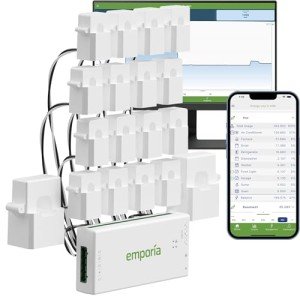
Additionally, we are witnessing a rise in smart solar technology. Smart grids and energy management systems allow for better monitoring and optimization of energy usage. These systems can adjust energy consumption based on the availability of solar power, maximizing efficiency. This smart technology not only helps reduce reliance on fossil fuels but also amplifies the solar panel benefits by providing users with real-time data on their energy production and consumption.
Finally, the integration of solar technology into everyday materials and structures is a growing trend. Building-integrated photovoltaics (BIPV) are being developed to turn windows, roofs, and even facades into energy-generating surfaces. This means that urban landscapes can become more sustainable, further unlocking the solar panel benefits for city dwellers and business owners alike. As these innovations continue to develop, we can look forward to a future where solar energy becomes an even more integral part of our lives.