Long before modern technology brought us solar panels, ancient civilizations harnessed the power of the sun in remarkable ways. For instance, the Greeks and Romans were among the first to design buildings that maximized sunlight exposure. They oriented their structures to face the sun, allowing natural light to flood their homes during the day. This thoughtful positioning not only improved indoor lighting but also helped regulate temperatures, showcasing a basic understanding of solar energy's benefits.
In China, a similar appreciation for solar energy can be traced back thousands of years. Ancient architects often incorporated large windows and reflective surfaces into their designs to capture sunlight. This practice was particularly beneficial during the cold winters, allowing households to warm naturally without relying heavily on fires. These early adaptations demonstrate how past societies were keenly aware of their environment and how to use it to their advantage.
Additionally, the concept of sun-powered heating wasn't limited to just housing. In the 16th century, the Inca civilization constructed structures known as "solar rooms," which were designed to trap heat from the sun. These rooms featured large windows that absorbed sunlight, creating a warm space for rituals and gatherings. The Incas understood the sun's importance in their daily lives, using its energy to enhance their comfort even in the cooler highland climate.
Though these ancient methods of using solar energy may not resemble the modern solar panels we see today, they paved the way for our understanding of solar technology. Their innovative approaches to utilizing sunlight underscore humanity’s long-standing quest for sustainable energy sources, reminding us that the foundations of solar power began many centuries ago.
Early Innovations in Solar Energy
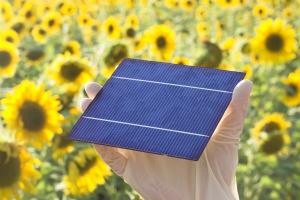
The story of solar energy begins long before modern technology. In the early 19th century, a French physicist named Edmond Becquerel discovered the photovoltaic effect. He found that certain materials could generate electricity when exposed to sunlight. This groundbreaking discovery laid the foundation for solar energy, although it would take many years before anyone could harness it for practical use.
In 1839, Becquerel's work inspired further research, leading to the creation of the first solar cell. Scientists built a basic device using selenium, which could convert sunlight into electricity, albeit at a very low efficiency. Nevertheless, this marked a significant step forward. Solar energy began to capture the imaginations of inventors and researchers worldwide who dreamed of a cleaner energy future powered by the sun.
Fast forward to the 1950s, when physicists at Bell Labs in the United States developed a more efficient solar cell using silicon. This innovation increased the conversion efficiency from around 1% to an impressive 6%. As solar technology progressed, it started to gain recognition as a viable alternative energy source. Researchers began experimenting with new materials and designs, pushing the boundaries of what solar panels could achieve.
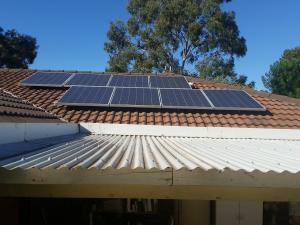
By the 1970s, solar energy was becoming more mainstream, with the first rooftop solar panels appearing on homes. This era saw an increased interest in renewable energy, driven by rising oil prices and a growing environmental awareness. Early adopters paved the way for solar energy to become an essential part of the renewable energy landscape we know today.
Modern Advances in Solar Technology
Another exciting innovation in solar technology is the emergence of thin-film solar cells. These lightweight and flexible panels can be integrated into various surfaces, including rooftops and building facades. Their adaptability opens up new possibilities for urban environments, where traditional solar panels may not always be suitable. Thin-film technology also reduces the material costs and energy required for production, making solar energy more accessible to a broader audience.
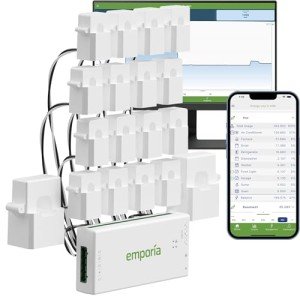
In addition to improving efficiency and flexibility, modern solar technology has embraced smart technology. Solar panels can now be equipped with monitoring systems that provide real-time data on energy production and consumption. This enables users to optimize their energy usage and even sell excess energy back to the grid. Moreover, advancements in battery storage technology allow homeowners to store energy generated during peak sunlight hours for use at night or on cloudy days. Together, these innovations not only enhance the efficiency of solar systems but also contribute to greater energy independence.
As researchers continue to explore new materials and designs, the future of solar technology looks even brighter. Concepts like bifacial solar panels, which can capture sunlight from both sides, and solar skins that blend seamlessly with a roof's appearance are just a few examples of how innovation is driving the industry forward. With these ongoing advancements, solar energy is becoming a more integral component of our global energy strategy, paving the way for a cleaner and more sustainable future.
The Future of Solar Panel Design
One exciting trend is the development of transparent solar panels. These panels can be applied to glass surfaces, allowing them to generate electricity without obstructing views or natural light. Imagine office buildings where windows generate power while letting in sunlight. This could revolutionize the way we approach urban architecture and renewable energy.
Another promising direction is the use of improved materials like perovskite. Perovskite solar cells have the potential to surpass traditional silicon panels in efficiency and production costs. They can be manufactured using simpler processes and can be created in a range of colors and shapes. This versatility could encourage more people to adopt solar technology, making it an attractive option for homeowners and businesses alike.
Moreover, the integration of smart technology into solar panels is on the rise. With the Internet of Things (IoT), future solar systems could communicate more intelligently with users, optimizing energy production and consumption. Imagine solar panels that automatically adjust their angle based on sunlight exposure or provide real-time data on energy usage, making it easier to manage electrical consumption efficiently.